
Exploring Natural Components for Men's Vitality and Holistic Well-being Post-40
Welcome to Kryntos, an informational hub dedicated to understanding natural components, lifestyle choices, and holistic approaches to supporting overall well-being in men after the age of 40. Our mission is to provide clear, evidence-based educational content without medical claims or commercial motivations.
Educational content only. No promises of outcomes.
Understanding Natural Components: Key Principles

Foundational Concepts
Natural components refer to botanical extracts, vitamins, minerals, and other organic substances found in plants, foods, and the natural world. Understanding these components involves exploring their properties, traditional uses, and roles in supporting general health and well-being.
The classification of natural components spans several categories:
- Herbal and botanical extracts from plant sources
- Essential vitamins and minerals derived from natural foods
- Dietary fiber and phytonutrients
- Natural compounds used in traditional wellness practices
This educational hub approaches all topics through an informational lens, explaining what these components are and how they have traditionally been valued, without prescribing specific actions or outcomes.
The Role of Diet in Male Vitality
Essential Dietary Considerations
For men after 40, diet plays a fundamental role in supporting overall vitality and maintaining energy levels. The following nutritional framework provides a comprehensive overview of dietary considerations:
Macronutrients
- Proteins: Essential amino acids support muscle maintenance and cellular function. Natural sources include legumes, fish, poultry, eggs, and nuts.
- Healthy Fats: Omega-3 and omega-6 fatty acids contribute to cardiovascular and cognitive function. Sources include fatty fish, seeds, nuts, and oils.
- Complex Carbohydrates: Provide sustained energy and support metabolic function. Found in whole grains, vegetables, and legumes.
Key Micronutrients
- Zinc: Supports immune function and general vitality. Natural sources include oysters, beef, chickpeas, and pumpkin seeds.
- Magnesium: Important for muscle function and stress response. Found in leafy greens, almonds, seeds, and whole grains.
- Vitamin D: Supports bone health and immune function. Naturally present in fatty fish and fortified foods; sunlight exposure also contributes to vitamin D synthesis.
- B-Vitamins: Support energy metabolism and neurological function. Found in meat, fish, eggs, dairy, and vegetables.
A balanced diet that includes a variety of nutrient-dense foods from natural sources contributes to sustained vitality and overall well-being.
Herbal Support: Traditional Wisdom
Herbs and botanical extracts have been valued across cultures for centuries as part of traditional wellness practices. This section explores common herbs, their traditional uses, and their properties in a purely informational context.
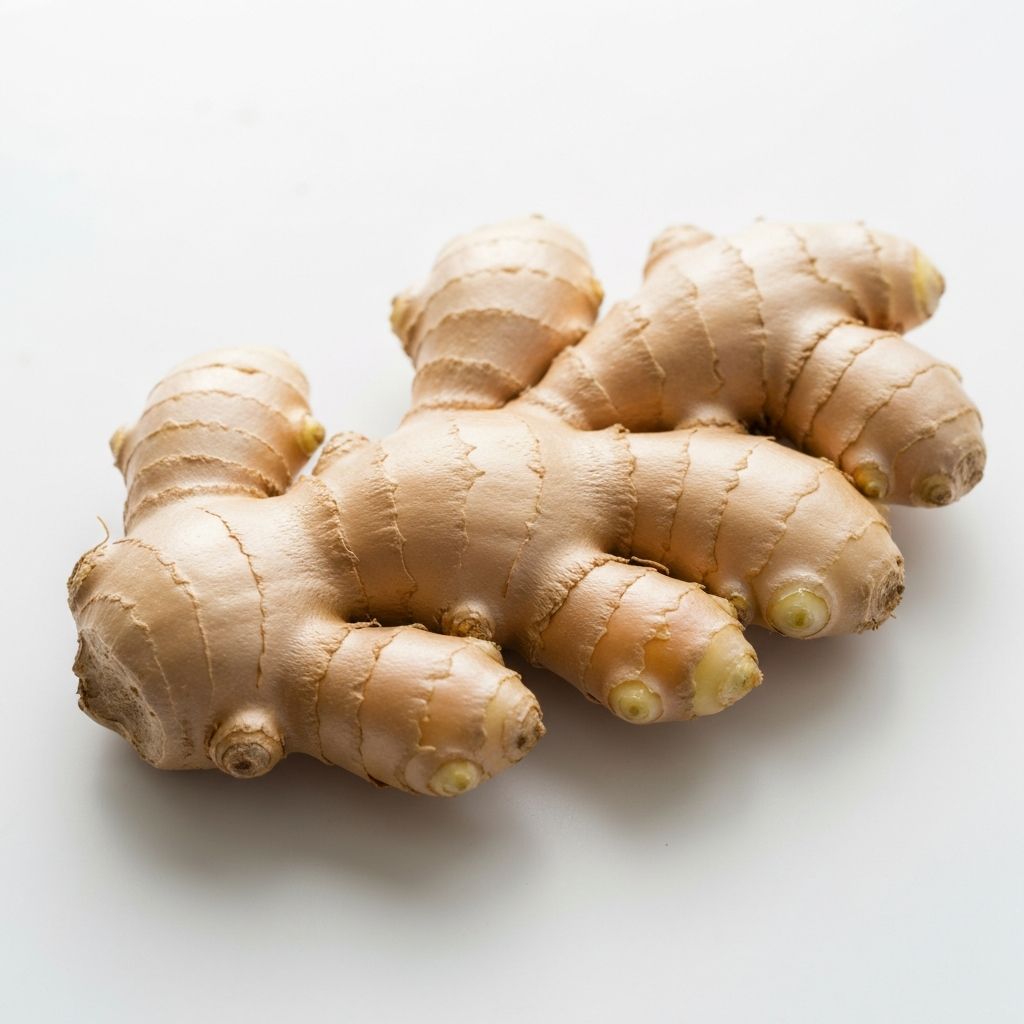
Ginger
Botanical Name: Zingiber officinale
Ginger has been used in traditional medicine systems for centuries, particularly in Asian and Indian practices. The rhizome contains compounds that have been studied for their potential supporting properties. Traditionally used in culinary applications and herbal preparations to support digestive comfort and general wellness.
Traditional Use: Digestive support, warming properties in cold conditions

Turmeric
Botanical Name: Curcuma longa
Turmeric is a fundamental component of traditional Indian Ayurvedic medicine and Asian culinary traditions. Its golden compound, curcumin, has been the subject of extensive research. Traditionally valued for its potential to support general comfort and inflammatory response in the body.
Traditional Use: General wellness support, anti-inflammatory properties in traditional contexts

Ginseng
Botanical Name: Panax ginseng
Ginseng has been central to traditional Chinese and Korean medicine for over two millennia. It is classified as an adaptogen—a substance that may help the body adapt to stress. Traditionally used to support energy levels, stamina, and overall vitality in males.
Traditional Use: Energy support, stress adaptation, vitality maintenance
Essential Vitamins and Minerals for Men
The following table outlines key vitamins and minerals particularly relevant to men's health, sourced primarily from natural food sources. This is informational content designed to illustrate the role of nutrition.
| Vitamin / Mineral | Primary Functions | Natural Food Sources |
|---|---|---|
| Vitamin D | Bone health, immune support, mood regulation | Fatty fish (salmon, mackerel), egg yolks, mushrooms, sunlight exposure |
| Zinc | Immune function, protein synthesis, male vitality | Oysters, beef, pumpkin seeds, chickpeas, cashews |
| Magnesium | Muscle function, energy production, stress response | Spinach, almonds, pumpkin seeds, dark chocolate, whole grains |
| Selenium | Antioxidant protection, thyroid health | Brazil nuts, seafood, eggs, whole grains |
| B-Vitamins (B6, B12, Folate) | Energy metabolism, neurological health, mood | Meat, fish, eggs, leafy greens, legumes, whole grains |
| Vitamin C | Immune support, collagen synthesis, antioxidant | Citrus fruits, berries, bell peppers, broccoli, kiwi |
| Potassium | Heart health, blood pressure regulation, muscle function | Bananas, sweet potatoes, spinach, avocados, lentils |
| Iron | Oxygen transport, energy production | Red meat, poultry, fish, legumes, dark leafy greens |
Note: This table is informational and illustrates general nutritional science. Individual nutritional needs vary widely, and dietary planning should consider personal health status and preferences.
Lifestyle Factors for Sustained Energy
Beyond diet, several lifestyle elements play crucial roles in maintaining vitality, energy levels, and overall well-being. This section outlines key lifestyle factors and their general impact on male health after 40.

Physical Activity
Regular exercise is fundamental for maintaining muscle mass, cardiovascular health, and bone density. For men after 40, a balanced approach including:
- Resistance training to maintain muscle and bone density
- Cardiovascular activities for heart and lung health
- Flexibility and balance work to prevent injury
- Regular movement throughout the day
Physical activity also supports mental health, stress management, and overall vitality.
Sleep and Rest
Quality sleep is essential for recovery, cognitive function, immune support, and overall health. Men after 40 should aim for 7-9 hours of consistent, quality sleep nightly. Sleep supports:
- Muscle recovery and growth
- Hormonal balance and regulation
- Memory consolidation and cognitive function
- Immune system strengthening
- Metabolic health
Consistency in sleep schedules and sleep hygiene practices contribute to better overall health.
Stress Management
Chronic stress affects multiple systems in the body, from cardiovascular health to immune function. Effective stress management strategies include:
- Meditation and mindfulness practices
- Regular physical activity
- Social connection and relationships
- Time in nature
- Hobbies and creative pursuits
- Professional support when needed
A balanced approach to stress reduction supports long-term vitality and well-being.
Social Connection
Strong social bonds and meaningful relationships contribute significantly to physical and mental health. Social engagement supports cardiovascular health, immune function, cognitive vitality, and emotional well-being. Regular connection with family, friends, and community is an important aspect of holistic wellness.
Mind-Body Connection: A Holistic View
The mind and body are deeply interconnected systems. Mental state, emotional well-being, and physical health influence each other continuously.
The Psychosomatic Relationship
Mental stress and emotional states directly affect physical health through several mechanisms:
- Hormonal Response: Stress triggers the release of cortisol and adrenaline, which affect heart rate, blood pressure, digestion, and immune function when chronically elevated.
- Inflammation: Chronic psychological stress can promote systemic inflammation, which affects overall health outcomes.
- Immune Function: Mental well-being supports robust immune responses, while chronic stress can suppress immune function.
- Sleep Quality: Psychological state significantly influences sleep patterns and restorative capacity.
Physical Activity and Mental Health
Regular physical activity is one of the most powerful tools for supporting mental well-being. Exercise:
- Releases endorphins and other mood-supporting neurochemicals
- Reduces stress hormone levels
- Improves sleep quality
- Enhances cognitive function and memory
- Supports a sense of accomplishment and self-efficacy
Nutrition and Emotional Well-being
The nutritional choices we make affect brain chemistry and emotional resilience. Nutrients like B-vitamins, omega-3 fatty acids, magnesium, and antioxidants play important roles in maintaining cognitive and emotional health. A balanced diet supports both physical vitality and psychological well-being.
The Holistic Approach
True well-being after 40 requires attention to both mind and body. This includes nutritional support, regular physical activity, quality sleep, stress management, meaningful relationships, and mental engagement. These elements work together synergistically to support comprehensive health and vitality.
Natural Ingredients for Daily Skin Comfort
Natural skincare focuses on ingredients derived from plants and natural sources to support skin health and appearance. This section explores common natural ingredients used in general skincare applications.
Plant-Based Skincare Components
Antioxidant-Rich Ingredients
Natural plant extracts contain polyphenols and other compounds that support skin health through antioxidant properties. Green tea, resveratrol from grapes, and vitamin E naturally present in seed oils are commonly used in skincare formulations to protect skin from environmental stressors.
Hydrating Botanicals
Ingredients like aloe vera, hyaluronic acid from plant sources, and glycerin help maintain skin moisture. These components are valued in skincare routines to support hydration and skin barrier function, particularly as skin changes with age.
Soothing Plant Extracts
Chamomile, calendula, and oat extract are traditionally used in skincare for their soothing and gentle properties. These botanical ingredients are particularly valued for sensitive or irritated skin conditions.
Essential Oils and Aromatic Botanicals
Natural essential oils derived from plants offer both aromatic and skin-supporting benefits. Rosemary, lavender, and tea tree oils are commonly incorporated into skincare products for their properties and sensory appeal.
Note: Natural skincare is informational content. Individual skin conditions vary, and patch testing is always recommended before introducing new ingredients to your routine.

Age-Related Changes and Natural Adaptations
The human body undergoes natural physiological changes after 40. Understanding these changes and how to adapt supports informed decision-making about health and well-being.
Hormonal Changes
After 40, hormonal levels naturally shift. This includes gradual changes in testosterone levels, which can affect energy, muscle mass, mood, and overall vitality. These changes are a normal part of aging and can be addressed through lifestyle modifications including nutrition, exercise, sleep quality, and stress management.
Metabolic Adjustments
Metabolic rate naturally decreases slightly with age due to reduced muscle mass and hormonal changes. This makes maintaining regular physical activity, adequate protein intake, and resistance training increasingly important for supporting energy levels and body composition.
Cardiovascular Health Considerations
As men age, maintaining cardiovascular health becomes increasingly important. Regular aerobic exercise, a heart-healthy diet rich in omega-3 fatty acids, adequate potassium, and stress management all support cardiovascular function. Regular health check-ups are recommended to monitor key indicators.
Bone Density and Joint Health
Bone density naturally decreases after 40, particularly after 50-60. Resistance training, adequate calcium and vitamin D intake, and weight-bearing exercise support bone health. Joint flexibility and mobility can be maintained through regular stretching and appropriate physical activity.
Cognitive Health and Brain Function
While cognitive decline is not inevitable, supporting brain health becomes more intentional with age. Regular physical activity, cognitive engagement, quality sleep, social connection, and a nutrient-rich diet all support cognitive vitality and neuroplasticity.
Natural Approaches to Adaptation
Rather than viewing age-related changes as decline, they can be understood as natural transitions requiring thoughtful adaptation. A proactive approach that includes:
- Consistent physical training adapted to current capabilities
- Nutritional optimization with attention to specific nutrient needs
- Quality sleep prioritization
- Stress management and mental engagement
- Regular health monitoring and professional consultation
These strategies support healthy aging and sustained vitality after 40.
Decoding Common Natural Extracts
Natural extracts are concentrated forms of plant components, used in traditional medicine and modern applications. This section explains common extracts and their characteristics.
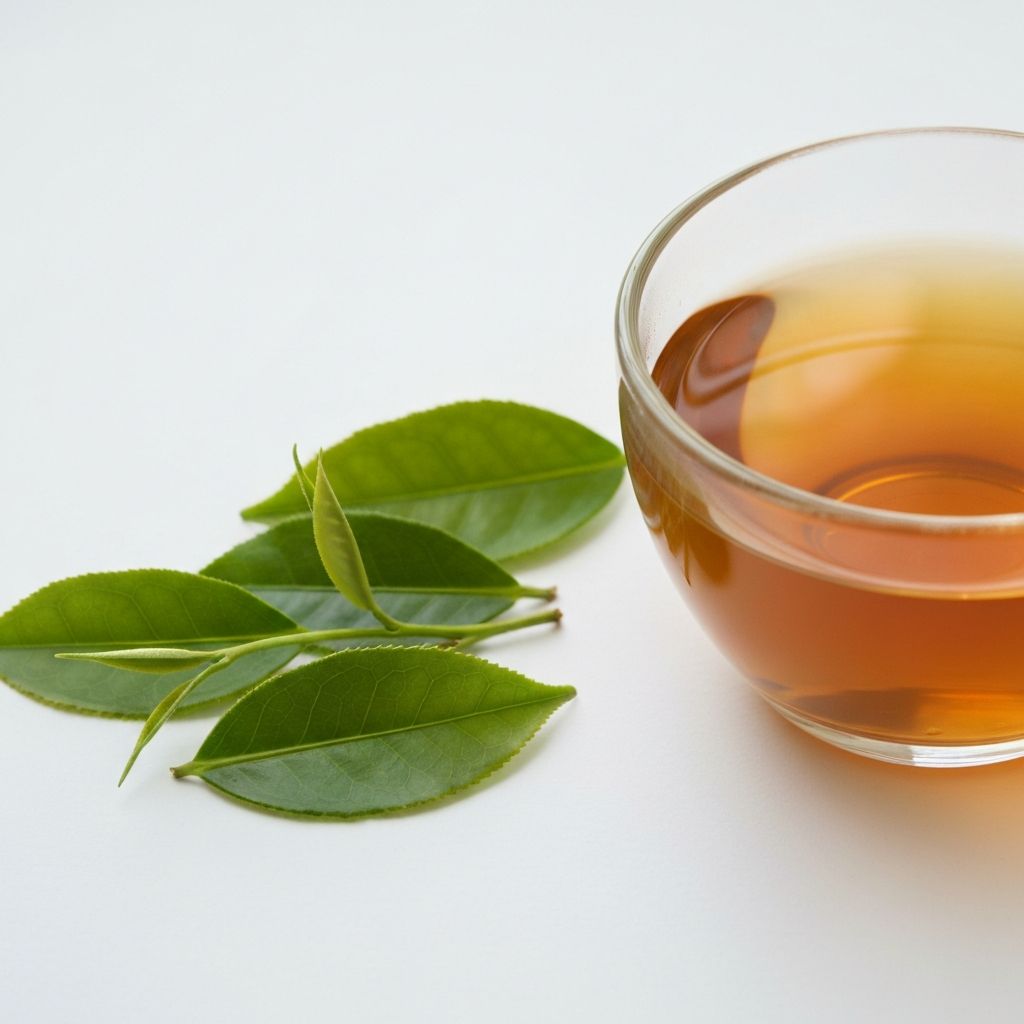
Green Tea Extract
Source: Camellia sinensis (green tea plant)
Green tea extract is derived from the leaves of the green tea plant through various extraction methods that preserve beneficial polyphenols and catechins. It is rich in antioxidant compounds, particularly EGCG (epigallocatechin gallate), which has been extensively researched for its properties.
General Properties: Antioxidant support, thermogenic activity, cognitive support, general wellness maintenance
Historical Context: Green tea has been consumed for centuries in Asian cultures, particularly valued in traditional Chinese and Japanese medicine for its general health-supporting properties.
Usage: Commonly found in dietary supplements, skincare products, and functional beverages.
Saw Palmetto Extract
Source: Serenoa repens (saw palmetto berry)
Saw palmetto extract is derived from the berries of the saw palmetto plant, a small palm native to the southeastern United States. The extract contains fatty acids and phytosterols that have been traditionally used to support male urinary and reproductive health.
General Properties: Support for prostate comfort, urinary flow optimization, hormonal balance support
Historical Context: Native Americans traditionally used saw palmetto berries for male health and vitality. Modern research has explored its effects on hormone metabolism and prostate function.
Usage: Primarily available in dietary supplement form as capsules, tablets, or liquid extracts.
The Importance of Hydration and Rest
Hydration: The Foundation of Cellular Health
Water is the most essential nutrient for human health. Every cell, tissue, and organ requires adequate hydration to function optimally. For men after 40, maintaining consistent hydration is increasingly important as the body's ability to regulate fluid balance naturally declines with age.
Functions of Hydration
- Thermoregulation: Water helps regulate body temperature through perspiration and metabolic processes.
- Nutrient Transport: Water is essential for transporting nutrients, oxygen, and hormones throughout the body.
- Waste Elimination: Proper hydration supports kidney function and the elimination of metabolic waste.
- Joint Lubrication: Adequate hydration maintains synovial fluid, which lubricates joints and supports mobility.
- Cognitive Function: Even mild dehydration can impair focus, memory, and mental performance.
- Skin Health: Hydration supports skin elasticity, appearance, and barrier function.
General Recommendations: Most health authorities recommend consuming about 2-3 liters of water daily, though individual needs vary based on activity level, climate, and health status. A practical approach is to drink water consistently throughout the day and increase intake during and after physical activity.
Rest and Recovery: The Healing Process
Rest and restorative sleep are as essential to health as nutrition and exercise. During sleep and rest periods, the body undergoes critical repair and recovery processes.
Benefits of Adequate Rest
- Muscle Recovery: Sleep is when muscle protein synthesis occurs, allowing muscles to repair and grow after exercise.
- Immune Function: Quality sleep strengthens the immune system and supports the body's ability to fight infections.
- Hormonal Balance: Sleep regulates hormones including cortisol, testosterone, and growth hormone.
- Metabolic Health: Adequate sleep supports healthy metabolism and weight management.
- Memory and Learning: Sleep consolidates memories and supports cognitive function.
- Emotional Resilience: Rest supports mood regulation and emotional well-being.
Sleep Hygiene Recommendations: Aim for 7-9 hours of consistent sleep nightly. Maintain regular sleep schedules, create a cool and dark sleep environment, limit screen time before bed, avoid large meals and caffeine late in the day, and consider relaxation techniques like meditation or deep breathing.
Key Takeaway: Hydration and rest are foundational to all other health practices. They support physical performance, mental clarity, immune function, and overall vitality. Prioritizing both water intake and quality sleep is essential for optimal well-being, particularly after 40.
Environmental Factors and Well-being
Sunlight and Vitamin D Synthesis
Natural sunlight exposure is critical for vitamin D synthesis in the skin. Vitamin D is essential for bone health, immune function, mood regulation, and calcium absorption. Men after 40 should aim for 10-30 minutes of midday sun exposure several times weekly, adjusting for skin type and geographic location. This natural exposure supports the body's intrinsic ability to produce vitamin D.
Air Quality and Respiratory Health
The quality of air we breathe directly affects respiratory and cardiovascular health. Spending time in natural environments with clean air, regularly ventilating indoor spaces, and minimizing exposure to pollutants and smoke all support long-term respiratory vitality. Indoor air quality can be improved through proper ventilation, plants, and air filtration.
Nature Exposure and Mental Health
Time spent in natural environments has documented benefits for mental health, stress reduction, and cognitive function. Access to green spaces, parks, forests, or natural water bodies provides respite from urban stressors and supports emotional well-being. Even brief periods of nature exposure can reduce stress hormones and promote relaxation.
Temperature and Thermal Adaptation
Temperature exposure, both hot and cold, stimulates adaptive responses in the body. Cold exposure activates brown adipose tissue and improves circulation. Heat exposure, through sauna or warm baths, supports cardiovascular health and relaxation. Moderate exposure to varied temperatures supports the body's adaptive capacity and resilience.
Light Exposure and Circadian Rhythm
Natural light exposure, particularly in the morning, regulates the circadian rhythm, which controls sleep-wake cycles, hormone production, and metabolic function. Regular morning light exposure and minimization of bright light in the evening support healthy circadian alignment and better sleep quality.
Environmental Toxins and Exposure Reduction
Minimizing exposure to environmental toxins, chemicals, heavy metals, and pollutants supports the body's natural detoxification processes. This includes choosing organic produce when possible, filtering drinking water, using natural cleaning products, and supporting occupational safety standards.
Glossary of Natural Terms
This glossary defines key terms and concepts related to natural components, nutrition, and holistic well-being.
-
AdaptogenA natural substance, typically a plant or herb, believed to help the body adapt to stress and maintain homeostasis. Examples include ginseng and rhodiola.
-
Amino AcidsOrganic compounds that serve as building blocks for proteins. Essential amino acids cannot be synthesized by the body and must be obtained through diet.
-
AntioxidantsCompounds that neutralize free radicals and reduce oxidative stress in the body. Found in fruits, vegetables, and plant extracts.
-
BioavailabilityThe extent to which a nutrient or compound is absorbed and available for use by the body after consumption.
-
BotanicalA substance derived from plants or plant parts, including roots, stems, leaves, flowers, and berries.
-
CurcuminThe primary active compound in turmeric, known for its polyphenol structure and studied for its potential properties in supporting health.
-
ExtractionThe process of isolating specific compounds from plant material using solvents or other methods to create concentrated forms.
-
Holistic HealthAn approach to wellness that addresses the whole person—body, mind, and spirit—rather than treating isolated symptoms.
-
Hyaluronic AcidA naturally occurring compound found in the body that holds water and supports skin hydration and joint lubrication.
-
InflammationThe body's response to injury or infection, characterized by redness, swelling, and discomfort. Chronic inflammation is associated with various health conditions.
-
IsoflavonesPlant compounds found in legumes, particularly soy, that have estrogen-like properties and are studied for potential health benefits.
-
MicronutrientsVitamins and minerals required in small quantities for normal body function, including vitamins, minerals, and trace elements.
-
PhytonutrientsBioactive compounds naturally found in plants that provide health benefits beyond basic nutrition, including antioxidants and anti-inflammatory compounds.
-
PolyphenolsA large group of plant compounds known for their antioxidant properties, found in foods like berries, green tea, and red wine.
-
SynergyThe interaction of two or more substances such that their combined effect is greater than the sum of their individual effects.
-
VitalityPhysical strength, energy, and the capacity for sustained activity and well-being; a state of robust health.
Continue Your Exploration
We've covered fundamental concepts about natural components and holistic well-being. Explore additional resources, frequently asked questions, or contact us with inquiries about specific topics.
Limitations and Context
This website provides informational and educational content only. All material presented on Kryntos is intended for general knowledge and understanding. The information does not constitute medical advice, professional recommendations, or a substitute for professional healthcare consultation.
Individual health responses to dietary changes, lifestyle modifications, and natural components vary significantly based on genetics, medical history, current health status, medications, and other factors. Personal circumstances differ greatly, and what may be appropriate for one individual may not be suitable for another.
Before making any changes to your diet, starting new supplements, or modifying your lifestyle practices, especially if you have existing health conditions or take medications, consult with a qualified healthcare professional. A healthcare provider can assess your individual situation and provide personalized recommendations.
Kryntos does not provide personal recommendations, diagnoses, treatment advice, or medical consultations. Our mission is purely educational—to help you understand and explore topics related to natural well-being without commercial motivation or medical claims.